The Scottish Fold is a distinctive and endearing cat breed, best known for its charming folded ears and round, owl-like appearance. With a calm temperament and affectionate personality, Scottish Folds make ideal companions for both individuals and families. These gentle and playful cats adapt well to indoor living, forming strong bonds with their humans while bringing warmth and joy to any home.
scottish by pet care hub
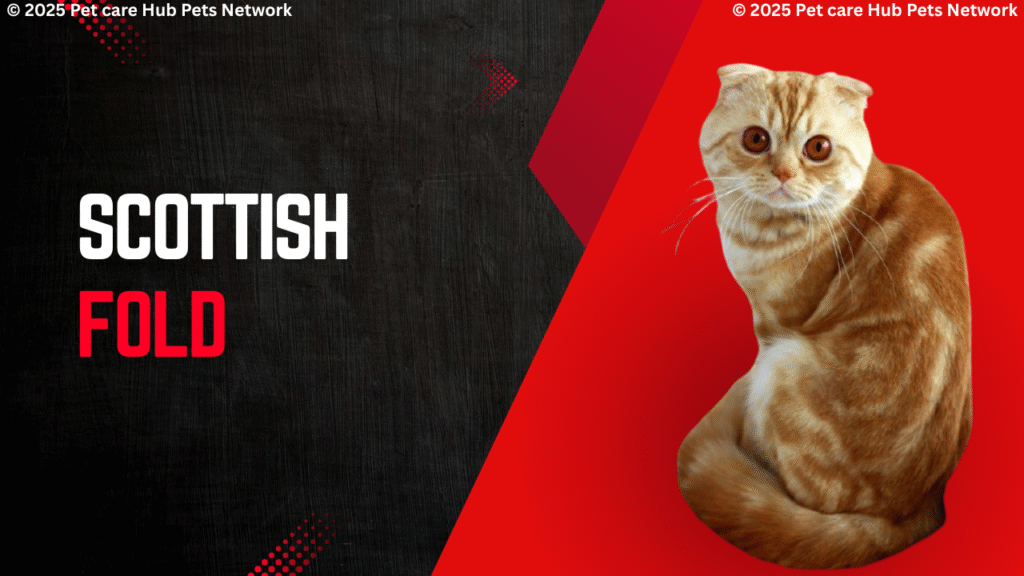
Scottish Fold cats are one of the most unique and adored feline breeds, best known for their distinctive folded ears that give them an owl-like appearance. Originating from Scotland in the 1960s, this breed has captured the hearts of cat enthusiasts all around the world. If you’re considering bringing a Scottish Fold into your home, one of the most important questions you’ll want answered is: How long do Scottish Fold cats live?
This comprehensive article dives deep into the lifespan of Scottish Fold cats, the factors that affect their longevity, common health issues, and practical tips for maximizing their life expectancy.
Average Lifespan of Scottish Fold Cats
On average, Scottish Fold cats live between 11 to 15 years. However, some may live beyond 15 years with proper care, a healthy diet, and regular veterinary attention.
This range is fairly typical for most domestic cat breeds. However, due to genetic factors and some breed-specific health conditions, Scottish Folds may be more vulnerable to certain issues that can affect their quality of life and lifespan.
Factors That Affect the Lifespan of Scottish Fold Cats
Several factors can influence how long a Scottish Fold lives. These include genetics, breeding practices, diet, environment, and preventive healthcare. Let’s take a closer look at each.
Genetics and Breeding Practices
The folded ear trait in Scottish Folds is caused by a genetic mutation that affects cartilage throughout the body, not just in the ears. This mutation can also cause a condition known as osteochondrodysplasia—a developmental abnormality affecting bone and cartilage, which can lead to painful arthritis and mobility issues.
- Homozygous Scottish Folds (those bred from two Folds) are more likely to suffer severe bone deformities and joint pain at an early age.
- Heterozygous Scottish Folds (bred from a Fold and a straight-eared cat) generally have milder symptoms or may live without significant joint issues.
Responsible breeders avoid mating two Fold-eared cats to reduce the likelihood of severe osteochondrodysplasia. Therefore, the lineage and ethical breeding play a significant role in the health and lifespan of the Scottish Fold.
Diet and Nutrition
Feeding your Scottish Fold a balanced, species-appropriate diet is essential for maintaining a healthy weight and preventing chronic conditions like obesity, diabetes, and kidney disease.
- High-quality protein should make up the majority of their meals.
- Avoid fillers like corn, soy, and excessive carbohydrates.
- Fresh water must always be available, and wet food can help with hydration.
Proper nutrition supports strong bones, a healthy immune system, and overall vitality—all key to a longer life.
Environment and Lifestyle
Whether your Scottish Fold is an indoor or outdoor cat also affects their lifespan. Indoor cats typically live longer, safer lives than outdoor cats due to reduced exposure to:
- Accidents
- Predators
- Infectious diseases
- Environmental hazards
That said, Scottish Folds are not particularly active or adventurous and tend to adapt well to indoor life, especially when given toys, climbing trees, and daily interaction for stimulation.
scottish by pet care hub
Preventive Veterinary Care
Routine veterinary care is crucial for detecting and addressing health problems before they become severe.
Regular checkups should include:
- Annual or bi-annual exams
- Vaccinations
- Dental cleanings
- Parasite prevention (fleas, ticks, worms)
Early detection of arthritis or heart issues, for example, can make a significant difference in the quality and length of your cat’s life.
Common Health Issues That Affect Scottish Folds
Understanding the breed-specific health concerns is important in managing and prolonging your Scottish Fold’s life. Here are the most common issues:
Osteochondrodysplasia
This hereditary condition is the most well-known health issue affecting Scottish Folds. It involves abnormal bone and cartilage development, causing stiff joints, pain, and arthritis—sometimes even in young cats.
Symptoms may include:
- Reluctance to move or jump
- Limping or abnormal gait
- Swollen joints
- Reduced activity
There is no cure, but treatments such as anti-inflammatory medications, pain management, and joint supplements can help manage the condition.
Hypertrophic Cardiomyopathy (HCM)
Like many other cat breeds, Scottish Folds can be susceptible to HCM, a condition where the heart muscle thickens, leading to impaired function.
Signs of HCM may include:
- Rapid breathing
- Lethargy
- Loss of appetite
- Sudden collapse
Regular heart screenings (especially as they age) can help detect early signs and allow for medical management to prolong life.
Polycystic Kidney Disease (PKD)
Though not as common in Scottish Folds as in Persian cats, PKD can still occur. It causes fluid-filled cysts to develop in the kidneys, which can lead to kidney failure over time.
DNA testing and early detection through ultrasound can help breeders avoid propagating this genetic condition. For pet owners, blood tests and urinalysis during routine vet visits can offer early warning signs.
Obesity
Due to their typically calm and sedentary nature, Scottish Folds are prone to weight gain, which increases their risk of developing:
- Arthritis
- Diabetes
- Heart disease
- Shorter lifespan
Daily play, a controlled diet, and limiting treats can help keep them lean and healthy.
Tips to Maximize the Lifespan of Your Scottish Fold
If you want your Scottish Fold to live a long, healthy life, here are some essential tips:
Choose a Reputable Breeder
If you’re adopting a kitten, choose a breeder who tests for genetic diseases and only breeds Fold-to-Straight combinations to avoid severe osteochondrodysplasia. Ethical breeding is the foundation of a healthy lifespan.
Prioritize Regular Vet Visits
Routine veterinary care is one of the most effective ways to catch health issues early. Get your cat checked at least once a year (more often for senior cats).
Maintain a Healthy Weight
Scottish Folds love lounging, so it’s your job to keep them moving. Play with them regularly using toys like:
- Feather wands
- Laser pointers
- Interactive puzzle feeders
Monitor their weight and adjust their diet as needed to prevent obesity-related complications.
Monitor for Signs of Joint Pain
Be alert for signs of discomfort or reluctance to move. If your cat limps, favors certain limbs, or avoids jumping, seek veterinary advice immediately. Pain management and lifestyle adjustments can significantly improve quality of life.
Provide a Safe and Stimulating Home
Indoor living increases lifespan, but it must also be enriching. Offer:
- Cat trees and perches
- Scratching posts
- Window views
- Mental stimulation through food puzzles and new toys
Boredom and inactivity can lead to behavioral and health problems over time.
Do Male or Female Scottish Folds Live Longer?
There is no definitive evidence that gender significantly impacts lifespan in Scottish Fold cats. However, spayed and neutered cats of both sexes generally live longer due to a reduced risk of reproductive cancers and a decrease in roaming behaviors (especially in males).
When Is a Scottish Fold Considered a Senior Cat?
Cats are generally considered senior at around 10 years of age, though many Scottish Folds begin to slow down a bit earlier if affected by joint issues. As your cat enters their senior years:
- Increase the frequency of vet visits to every 6 months.
- Consider switching to a senior-specific diet.
- Watch for signs of pain, confusion, or appetite changes.
Adjusting their care during this phase can add years to their life.
Stories of Long-Lived Scottish Folds
While most Scottish Folds live around 11–15 years, there are cases where these cats have lived well into their late teens, especially when bred responsibly and given excellent care. Anecdotal reports from Scottish Fold owners often mention cats living 16 to 18 years with consistent health monitoring, a nutritious diet, and a low-stress environment.
Lifespan Depends on Care and Awareness
To sum it up, the average lifespan of a Scottish Fold cat is 11–15 years, but many live longer when given proper love, attention, and veterinary care. The key to extending their life is proactive health monitoring, quality nutrition, genetic awareness, and a safe, enriched environment.
Though the breed may be prone to certain health issues, with responsible ownership, Scottish Folds can live happy, affectionate lives for many years. Their sweet temperament, loyalty, and gentle demeanor make every year spent with them incredibly special.
Stay updated for more detailed breed guides, feline health tips, and expert pet care advice! with pet care hub