The Budgie, short for Budgerigar, is one of the most popular pet birds globally — and for good reason. These small, vibrant parrots are known for their cheerful chirps, friendly nature, and surprising intelligence. Easy to care for and full of personality, Budgies make excellent companions for both first-time bird owners and seasoned avian enthusiasts. With proper socialization and attention, a Budgie can even learn to mimic words and bond closely with its human family.
budgie by pet care hub
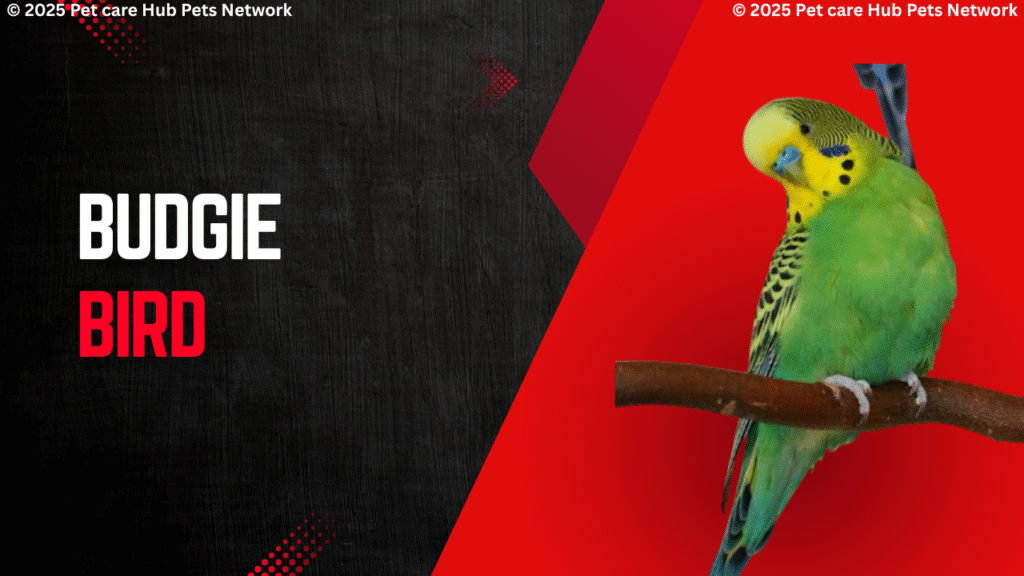
Budgerigars, commonly known as budgies or parakeets, are one of the most popular pet birds worldwide—and for good reason. These small, vibrant, and intelligent birds are not only beautiful to look at, but also have captivating personalities and the ability to form deep bonds with their human companions. However, while budgies can make wonderful pets, they also require specific care, attention, and a suitable environment to thrive.
Before bringing home a budgie, it’s important to understand the commitment involved. This guide will cover everything you should know—from their characteristics and dietary needs to their behavior, health, and overall care.
Understanding the Budgie: Species Overview
Budgerigars are small, long-tailed parrots native to Australia. In the wild, they travel in flocks and are constantly on the move in search of food and water. The domesticated budgie, known as the English budgie or American parakeet (depending on the type), has been bred for color variety, size, and temperament.
Types of Budgies:
- American Budgie: Smaller, more common, and typically more active.
- English Budgie: Larger, fluffier, and often quieter but may be more susceptible to health problems due to selective breeding.
Lifespan:
With proper care, a budgie can live between 8 to 15 years, though many average around 10.
more: Species Overview
Why Choose a Budgie?
Budgies are often chosen as starter pets for bird lovers, and here’s why:
- Affordability: Compared to larger parrots, budgies are inexpensive to purchase and maintain.
- Small Size: Ideal for apartments and small homes.
- Intelligence: Budgies can learn words, mimic sounds, and perform tricks.
- Social Nature: They are affectionate and can bond closely with their owners.
However, don’t mistake their small size for simplicity. They require mental stimulation, a proper diet, and daily interaction to stay happy and healthy.
Preparing for Your Budgie’s Arrival
Before bringing a budgie home, preparation is key. Here’s what you’ll need:
A Spacious Cage:
- Minimum size: 18 x 18 x 18 inches for one budgie, but larger is always better.
- Bar spacing: No wider than ½ inch to prevent escape or injury.
- Accessories: Include perches (natural wood preferred), food/water dishes, toys, and a swing.
Placement of the Cage:
- Avoid placing the cage near windows with direct sunlight, kitchens, or drafts.
- Keep it at chest level in a well-lit room where the bird can observe family activity without being overwhelmed.
Diet and Nutrition
A healthy diet is the cornerstone of a long and happy life for your budgie.
What to Feed:
- Seed mix: While often used as a staple, seed-only diets lack essential nutrients.
- Pellets: Specially formulated bird pellets offer balanced nutrition.
- Fresh fruits and vegetables: Leafy greens (like spinach and kale), carrots, apples (no seeds), broccoli, and berries are great choices.
- Occasional treats: Millet spray is a favorite but should be offered sparingly.
Foods to Avoid:
- Avocado, chocolate, caffeine, alcohol, onions, and sugary or salty snacks are toxic to budgies.
Fresh Water:
- Provide clean water daily. Use shallow, tip-resistant dishes.
Socialization and Bonding
Budgies are social birds that crave interaction. If left alone without stimulation, they can become bored, depressed, or even aggressive.
Taming Your Budgie:
- Be patient and gentle.
- Start by sitting near the cage and speaking softly.
- Gradually introduce your hand into the cage for perch training.
- Use millet or treats to build trust.
Should You Get One or Two?
- Single Budgie: Will bond more with humans but needs daily interaction.
- Pair of Budgies: They keep each other company but may bond more with each other than with you.
Mental and Physical Stimulation
Budgies are intelligent and curious. Boredom can lead to destructive behavior like feather plucking or excessive screeching.
Provide:
- Toys: Rotate toys regularly to prevent boredom.
- Foraging activities: Hide food in shreddable paper or puzzle toys.
- Training sessions: Teach your budgie to step up, wave, or even talk.
- Out-of-cage time: Supervised free flight time in a safe room is essential for exercise.
Understanding Budgie Behavior
Budgies express themselves through body language and vocalizations.
Common Behaviors:
- Chirping and singing: Indicates happiness and comfort.
- Beak grinding: A sign of relaxation, often before sleep.
- Fluffed feathers: May mean contentment or, if prolonged, illness.
- Regurgitation: A sign of affection—budgies do this to those they care about.
- Head bobbing: Can indicate excitement or an attempt to get attention.
Health and Veterinary Care
Budgies, like all pets, need proper healthcare.
Signs of a Healthy Budgie:
- Bright eyes and clean nostrils
- Active and alert behavior
- Clean vent and smooth feathers
- Regular eating and vocalizing
Common Health Issues:
- Psittacosis: A bacterial infection that is contagious to humans.
- Mites: Can cause scaly beaks or feather loss.
- Respiratory issues: Wheezing or tail bobbing may indicate a problem.
- Obesity or malnutrition: Often due to poor diet.
Vet Care:
- Avian veterinarian: Regular checkups (once a year) are recommended.
- Quarantine: If you’re introducing a new budgie to an existing one, quarantine for at least 30 days.
Cleaning and Hygiene
A clean environment is crucial for your budgie’s health.
Weekly Maintenance:
- Wipe cage bars and clean the tray.
- Replace bedding or cage liners.
- Disinfect food and water dishes.
Daily Maintenance:
- Change water.
- Remove leftover fruits/vegetables.
- Check for droppings or signs of illness.
Sleep and Rest
Budgies need 10-12 hours of sleep per night. Covering the cage at bedtime can help them feel secure and signal it’s time to rest. Keep them away from loud noise or light during their sleep time.
Noise Level and Talking Ability
Budgies are vocal and enjoy mimicking sounds. Males are typically more likely to mimic speech than females.
- They can learn up to 100 words or more with patience and repetition.
- Expect cheerful chirping and occasional squawks—budgies are not silent pets.
Travel and Boarding
Travel can be stressful for budgies.
- Use a small travel cage for transportation.
- Avoid car rides in extreme temperatures.
- If traveling for long periods, consider a bird sitter or a reputable bird boarding service.
Legal and Ethical Considerations
Always purchase from a reputable breeder or adopt from a rescue. Avoid supporting operations that engage in mass breeding or illegal wildlife trade.
Is a Budgie Right for You?
Before committing, ask yourself:
- Do I have time to interact with my budgie daily?
- Can I afford quality food, vet care, and supplies?
- Is my home safe and quiet enough for a bird?
- Am I prepared for a decade-long commitment?
If you answered yes to these, a budgie may be a perfect companion for you.
Budgies are charming, social, and intelligent birds that bring joy and liveliness to any home. But they are also living beings with emotional and physical needs that require responsible ownership. With the right care, environment, and companionship, a budgie can become a delightful and loving part of your family.
Taking the time to learn about your feathered friend before bringing one home is the first step toward a rewarding and enriching experience—for both you and your budgie.
You’re now set to stay updated on the article “Everything You Should Know Before Getting a Budgie.” I’ll notify you of any updates, rewrites, or expansions related to this topic. Let me know if you’d like it translated, optimized for SEO, or formatted for a blog post with pet care hub