The British Shorthair is one of the oldest and most cherished cat breeds, admired for its round face, dense plush coat, and easygoing personality. Known for their quiet charm and loyal nature, British Shorthairs make excellent indoor companions for families, singles, and seniors alike. Whether curled up on a couch or following their owner from room to room, this breed adds calm and comfort to any home.
British Shorthair’s by pet care hub
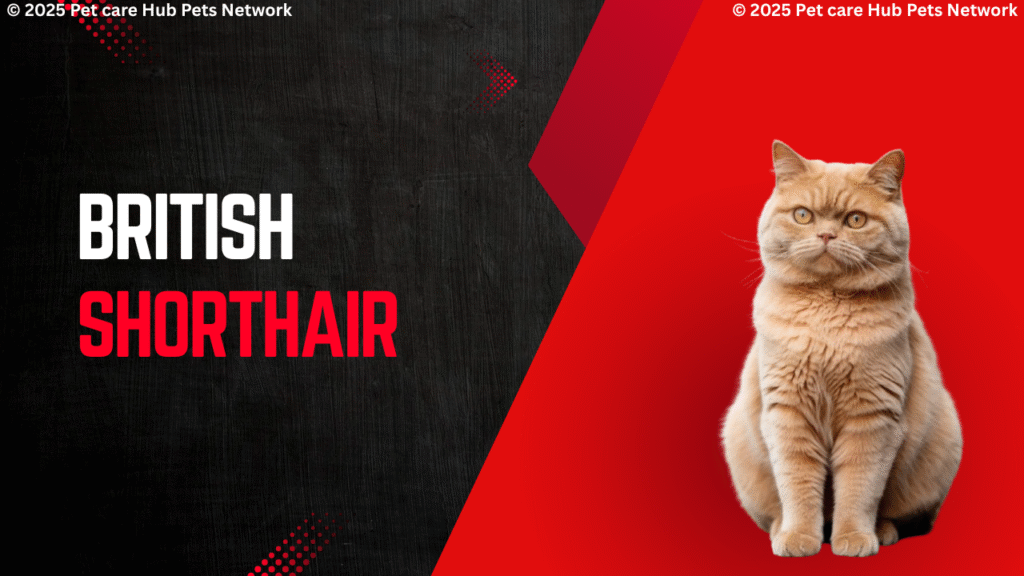
The British Shorthair is a beloved cat breed known for its plush coat, round face, and calm, dignified temperament. As a sturdy and often sedentary breed, the British Shorthair has unique dietary needs that differ from more active or leaner cats. Feeding your British Shorthair properly is essential to ensure a long, healthy life. This guide provides in-depth feeding tips to support optimal health, prevent obesity, and extend the lifespan of your feline companion.
Understanding the British Shorthair’s Unique Nutritional Needs
Body Structure and Metabolism
British Shorthairs have a naturally muscular and stocky build. They gain weight easily and tend to be less active, which means they require fewer calories compared to more energetic breeds. This slow metabolism makes them prone to obesity if overfed or given inappropriate foods.
Growth and Development Stages
- Kittens need high-quality protein and fat to support rapid growth.
- Adults require a balanced diet to maintain muscle mass while avoiding excess calories.
- Seniors benefit from easily digestible proteins, joint-support supplements, and fewer calories to prevent age-related weight gain.
More: Nutritional Needs
british shorthair by pet care hub
Essential Nutrients for British Shorthairs
Feeding your British Shorthair isn’t just about filling their bowl — it’s about ensuring the food contains the right nutrients.
Protein
Cats are obligate carnivores. They need animal-based proteins to survive and thrive.
- Why it matters: Supports muscle maintenance, healthy skin, and immune system.
- Sources: Chicken, turkey, rabbit, fish, lamb, and beef.
- Tip: Choose foods where the first ingredient is named meat, not by-products or “meat meal.”
Fats
Fats provide energy and help absorb fat-soluble vitamins (A, D, E, K).
- Healthy fats: Omega-3 and Omega-6 fatty acids from fish oil, chicken fat, flaxseed.
- Benefits: Promotes a shiny coat, supports brain function, reduces inflammation.
Fiber
British Shorthairs are indoor cats most of the time, so fiber is essential for digestive health.
- Sources: Beet pulp, pumpkin, sweet potatoes, brown rice.
- Benefits: Prevents constipation, hairballs, and supports gut bacteria.
Taurine
An essential amino acid that supports vision, heart health, and reproduction.
- Must-have: Ensure the food label includes added taurine.
Vitamins and Minerals
Key elements like calcium, phosphorus, zinc, B vitamins, and antioxidants support bone health, immunity, and energy metabolism.
Choosing the Right Food for British Shorthairs
Dry Food vs. Wet Food
Both have pros and cons, and a combination often works best.
- Dry Food (Kibble)
- Longer shelf life and cheaper
- Can help with dental health
- Risk of dehydration if not supplemented with water
- Wet Food (Canned or Pouch)
- Higher moisture content — great for kidney and urinary health
- More palatable and digestible
- Often more expensive
Tip: Combine both — wet food in the morning, dry food in the evening, or alternate days.
Grain-Free vs. Grain-Inclusive
- Grain-Free: Suitable for cats with sensitivities or allergies.
- Grain-Inclusive: If tolerated well, whole grains like rice or oats can offer digestible energy and fiber.
Always monitor your cat’s reaction and choose based on their specific health needs.
Breed-Specific Formulas
Many reputable pet food brands offer breed-specific formulations.
- Tailored protein and fat levels
- Controlled calorie intake to prevent obesity
- Added L-carnitine for fat metabolism
- Larger kibble size to encourage chewing
Feeding Schedule and Portion Control
Establishing a Routine
Cats love routine. Feed your British Shorthair at the same time every day.
- Kittens (2–12 months): 3-4 small meals/day
- Adults (1–7 years): 2 meals/day
- Seniors (7+ years): 2 smaller meals or 3 small servings/day
Portion Size
Follow the feeding guidelines on the food packaging, adjusted to your cat’s age, activity level, and weight.
- Tip: Use a digital kitchen scale for precision.
- Overfeeding is the number one contributor to obesity in British Shorthairs.
Monitoring Weight
Weigh your cat monthly and track changes. Use a body condition scoring chart (BCS) to ensure your cat maintains a healthy weight.
Homemade Diets and Raw Feeding: Pros and Cons
Homemade Cooked Meals
- Can be healthy if balanced correctly.
- Requires guidance from a veterinary nutritionist.
- Risk of nutritional deficiencies without proper planning.
Raw Diet (BARF – Biologically Appropriate Raw Food)
- Mimics natural feline diet: raw meat, bones, and organs.
- Popular but controversial.
- Risks include bacterial contamination, unbalanced nutrition, and digestive upset.
Important: Consult your vet before switching to raw or homemade diets. Commercial raw options are safer than DIY versions.
Foods to Avoid
British Shorthairs are sensitive to certain foods that can cause digestive or toxic reactions.
Toxic Foods
- Chocolate
- Onions and garlic
- Grapes and raisins
- Alcohol
- Caffeine
- Bones (cooked)
- Xylitol (sweetener)
Table Scraps and Human Foods
- Rich, fatty, or spicy foods can lead to pancreatitis or obesity.
- Avoid feeding from the table to discourage begging behavior.
Supplements for Longevity and Vitality
British Shorthairs can benefit from supplements, especially as they age.
Omega-3 Fatty Acids
- From fish oil
- Anti-inflammatory, supports joints and brain
Glucosamine & Chondroitin
- For joint health, especially in senior cats
Probiotics
- Supports gut health and immunity
Multivitamins
- Only needed if feeding a homemade or low-quality diet
Note: Never give human supplements to your cat. Always consult your vet.
Hydration: The Silent Health Booster
British Shorthairs, like most cats, have a low thirst drive. Ensuring hydration is crucial to prevent urinary tract issues.
Tips to Increase Water Intake:
- Offer wet food regularly.
- Use a cat water fountain – flowing water is more appealing.
- Place water bowls in multiple locations.
- Use ceramic or glass bowls, as some cats dislike plastic taste.
- Add flavor enhancers (like tuna water) to encourage drinking.
Managing Weight for Longevity
Obesity significantly shortens a cat’s lifespan and increases the risk of:
- Diabetes
- Arthritis
- Heart disease
- Liver problems
Tips to Maintain Healthy Weight:
- Monitor food portions
- Provide daily play/exercise (laser toys, feather wands)
- Use food puzzle toys to slow down eating
- Schedule regular vet checkups to monitor weight trends
Treats: Use Wisely
While treats can be helpful for bonding and training, they should not exceed 10% of your cat’s daily caloric intake.
- Choose low-calorie, high-protein treats.
- Avoid dairy, fatty bits, or sugary snacks.
- Use freeze-dried meat treats as a healthy option.
Senior British Shorthairs: Special Feeding Considerations
As your cat enters their senior years (typically 7+), adjust their diet accordingly.
Key Needs:
- Easier-to-chew foods (wet or softened dry kibble)
- Lower calorie, higher fiber meals
- Joint support from glucosamine and omega-3s
- Monitor for dental issues and appetite loss
Routine blood work with your vet will help guide any diet modifications.
Feeding your British Shorthair for optimal health and longevity is a thoughtful, ongoing commitment. From choosing high-quality food to managing portions, hydration, and avoiding harmful treats, every detail matters. Their laid-back nature makes them more susceptible to weight gain and related illnesses, but with a balanced, nutrient-rich diet and regular vet care, your British Shorthair can live a long, comfortable, and happy life — often well into their teens.
Nutrition recommendations evolve. Stay in touch with pet care hub or your veterinarian and monitor new feline nutrition research and breed-specific feeding tips. Your cat’s needs may shift over time, and a proactive approach ensures you’re always giving them the best.